TUBA exists to protect and increase biodiversity in our communities for more livable cities.
TUBA organizes for biodiversity through discussion, education and community action in Metro North Boston and beyond, with a social ecology lens and a collaborative community organizing approach. We work to create a narrative that will increase support for biodiversity, climate and conservation on the local level.
Our History
TUBA was formed in 2023 when residents in different towns and cities in Metro North Boston came together around local conservation advocacy and a series of urban bat walks.
Our Board
Kari Percival – Creative Direction.
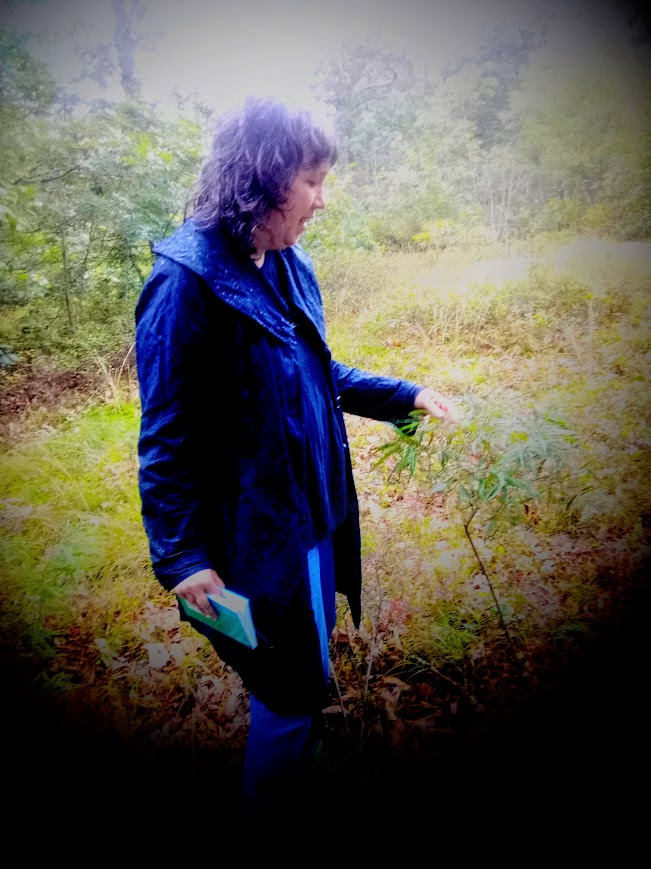
Kari’s studybook on amphibian conservation, SAFE CROSSING, from Chronicle Kids, is a Junior Library Guild Gold Standard Selection, and earned starred reviews from Kirkus, Publishers Weekly, and Book Page. Her debut picture book on gardening for toddlers, HOW TO SAY HELLO TO A WORM, published by Rise x Penguin Workshop, won an Ezra Jack Keats Award for Writer, CLEL Bell award, ALA Notable, and was selected for Dolly Parton Imagination Library. She lives outside Boston, MA, where she also co-directs Wonderland Spectacle Co. with her talented sweetheart Greg Cook.
Meghan McDonough – Resource and Community Partnerships
Meghan is our core Director and co-founder with Kari Percival, and brings over two decades of live event production, grassroots and non-profit organizing experience to the project. She graduated from The Evergreen State College in Community and Labor organizing with a project start-up and development focus and is a retired Disabled member of the I.A.T.S.E. She has created and run school age before and after school experiential science programs for low income housing center and multiple YMCA programs. Meghan was raised by 2 rank and file union organizer parents who appreciated nature. “Everything that TUBA works on is a gift for the future.”
Mary Robblee – Outreach and Strategic Planning.
Mary is a lifelong community organizer in the North Shore and Metro North Boston area. Originally from Lynn, Mary has been an advocate for sustainable development and environmental justice issues as both a resident and as a member of SAVE, Saugus Action Volunteers for the Environment and The Alliance for Health and the Environment. In business, Mary was employed for 33 years by the Stride Rite Corporation in Wholesale Sales in the US and Internationally.
Laura Eisener- land historian, landscape designer and regenerative landscaping direction.
Laura has a background in plants and the general public’s understanding of them and can offer a bridge between common knowledge and practicum of native plants and landscaping and natural history.
Laura has had her own landscape design firm since 1984, and specializes in unique residential landscapes. In 2007, the Massachusetts Horticultural Society awarded her a silver medal for noteworthy accomplishments in the horticulture industry. She has a master’s degree in landscape architecture from the University of Massachusetts and a bachelor’s degree in botany and anthropology from Connecticut College. She has taught in the Landscape Institute of Arnold Arboretum for 25 years, and has been Massachusetts Associate Editor of People, Places, and Plants magazine since 2001. She also teaches landscape design and horticulture at North Shore Community College and runs the Saugus, MA Historical Society.
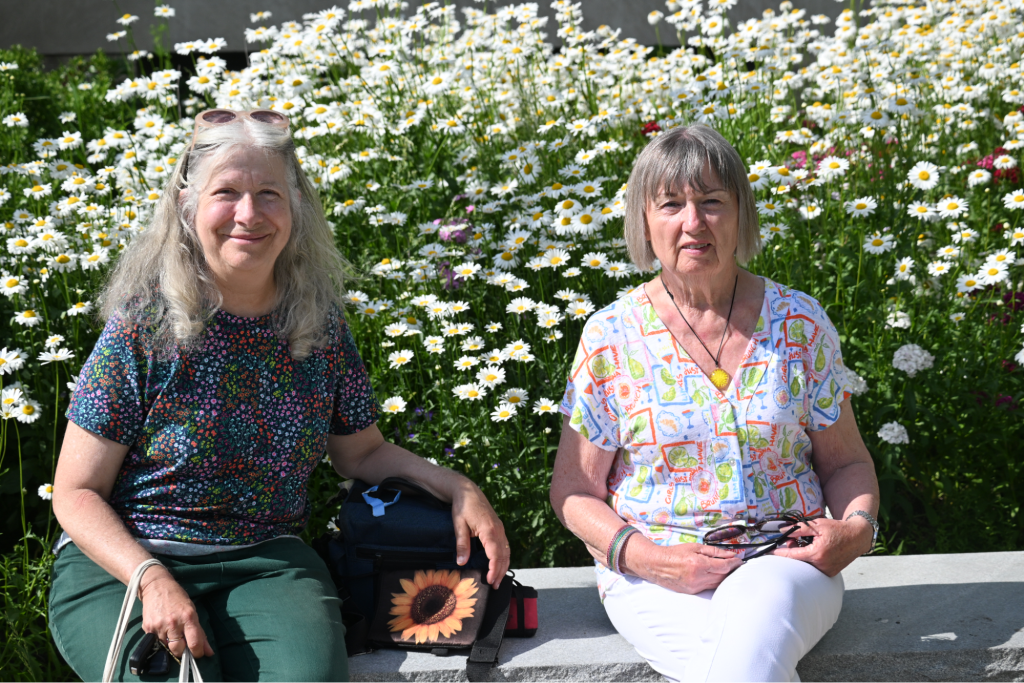
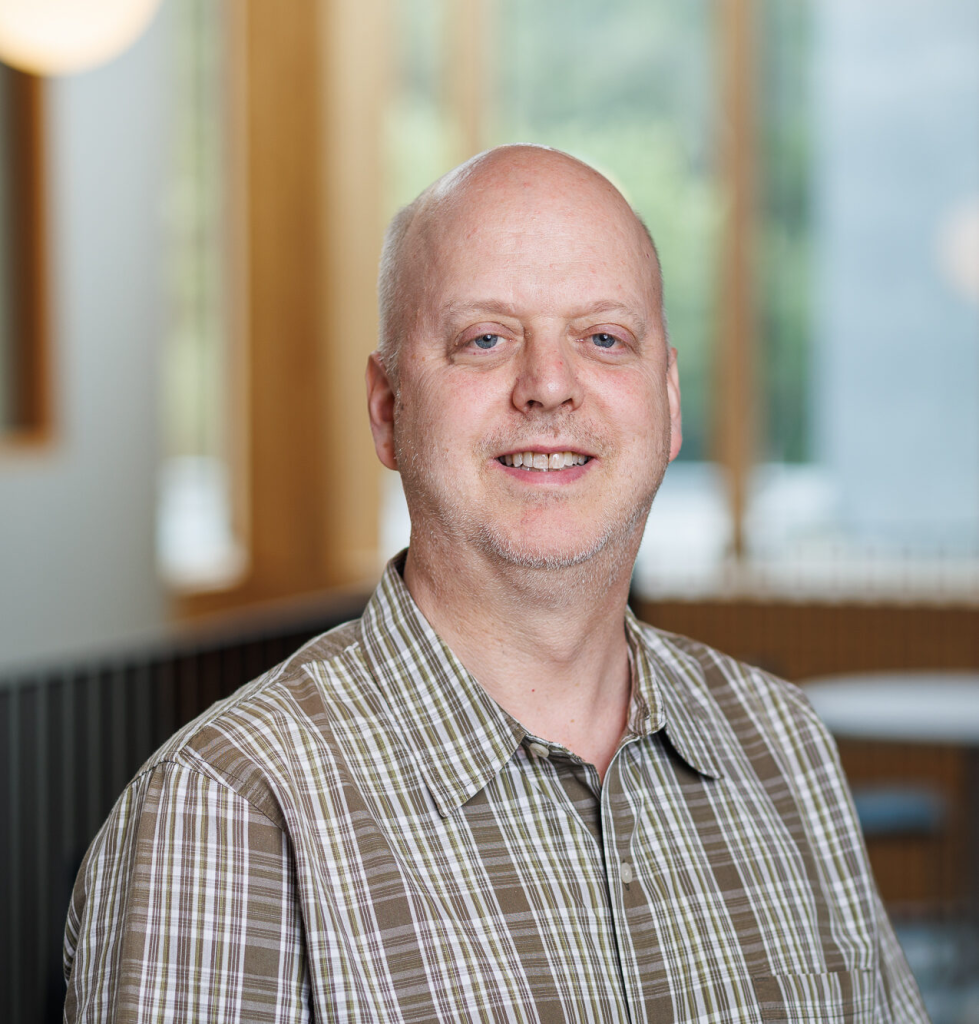
I am a physiological ecologist interested in energetics, ecoimmunology, and hormone function of small mammals, particularly bats, with an emphasis on disease ecology and urban ecology. I am broadly interested in the role of physiological factors, including metabolism and immune function, and extrinsic factors, such as pathogens, on the ecology of temperate bats. I use an integrated approach to study immunological, hormonal, and physiological variables. I specifically assess the tradeoffs between energy use for immune function, thermoregulation, and reproduction.
My current research focuses on energy trade-offs between reproduction and immune response to disease in an endangered bat species. A key focus of the research is the impact of stress on immune function as part of understanding bat physiology and ecology associated with white-nose syndrome (WNS), a deadly disease caused by a fungal pathogen. I have received a Morris Animal Foundation grant “Understanding the Role of Intrinsic Physiological Factors in the Population Recovery of Myotis lucifugus (little brown myotis) from White-nose Syndrome” in 2018. This grant supported research on the intrinsic factors affecting recovery of bats from WNS, which has also demonstrated how the seasonal ecology of the pathogen is linked to critical pathology in the bats impacting their reproduction at the colony level. I am currently a Principal Investigator on a U.S. Fish and Wildlife Service grant through the 2021 White-nose Syndrome Research for Conservation Grants Program: “Estimating the likelihood of recovery from or the susceptibility to white-nose syndrome in Myotis lucifugus maternity colonies using non-invasive, colony-level assessments. I am also a collaborator on a NSF Ecology and Evolution of Infectious Diseases grant. The primary aims of this project are (1) to study 3 species of North American bats affected by WNS to understand how they adapt to changes in climate and disease threats, and (2) to develop a new disease modeling framework that simultaneously incorporates wildlife movement and connectivity with genetic processes over time.
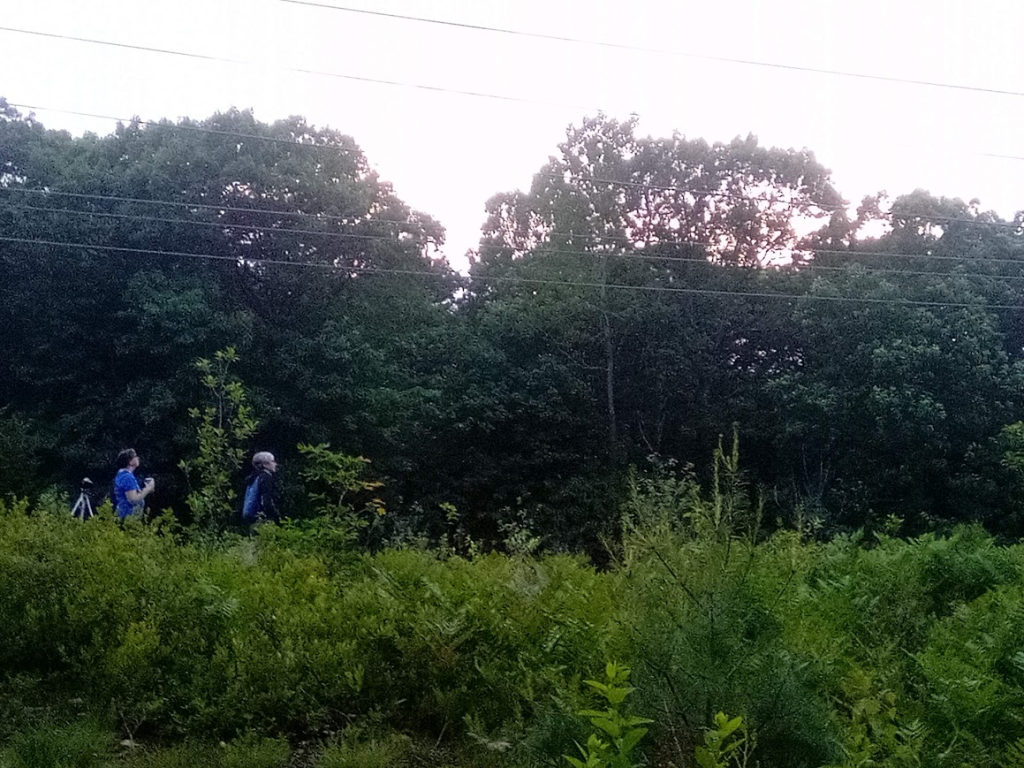
In a powerline cut North of Boston, MA looking for bats. Summer 2023
Photo: (c)Meghan McDonough